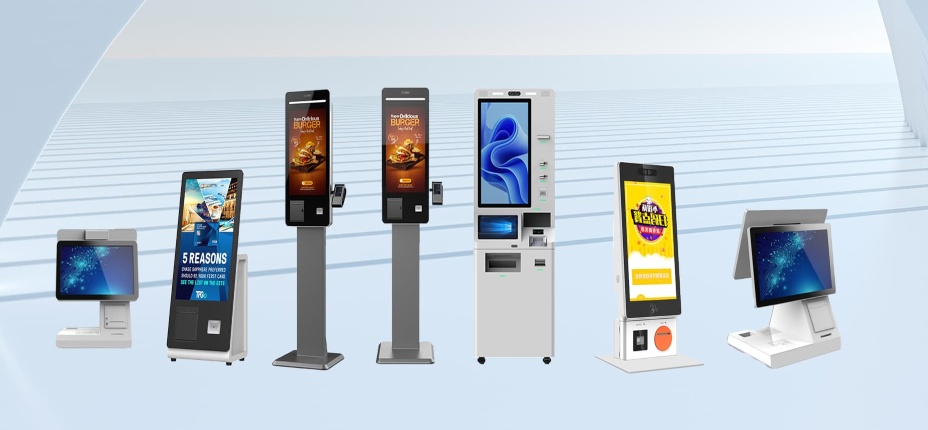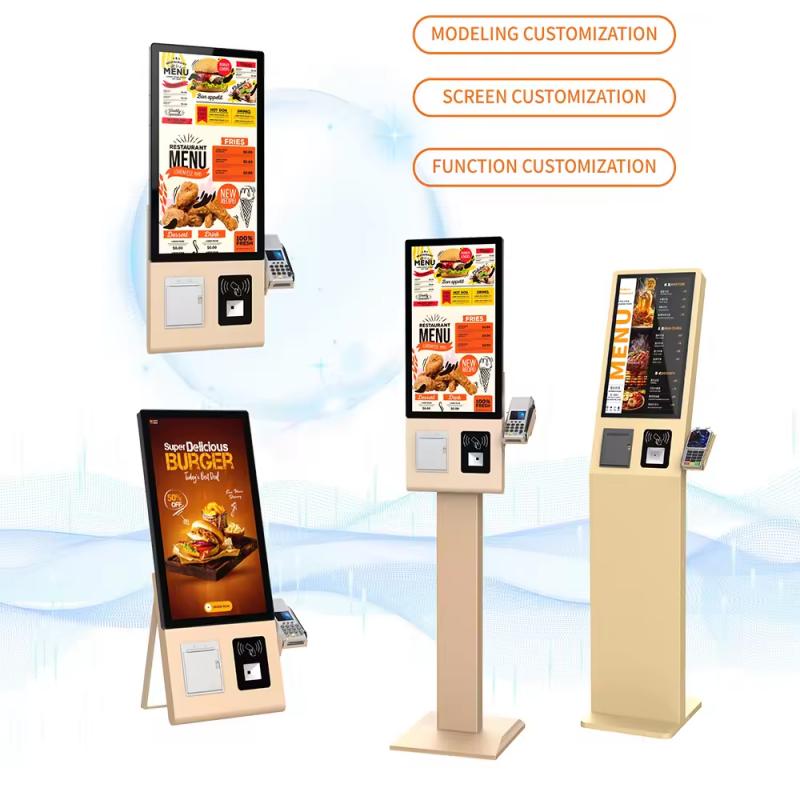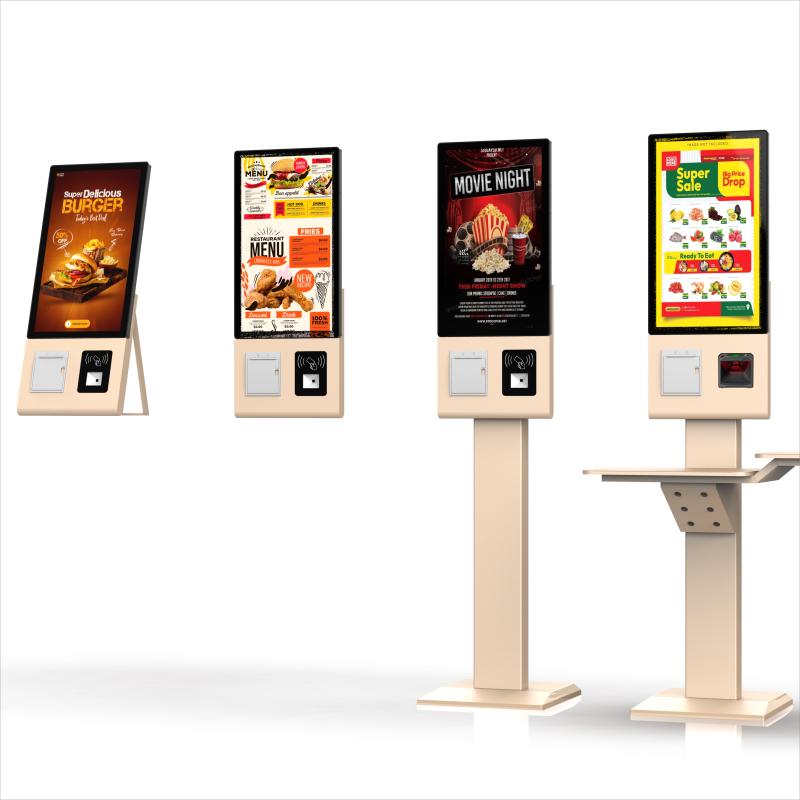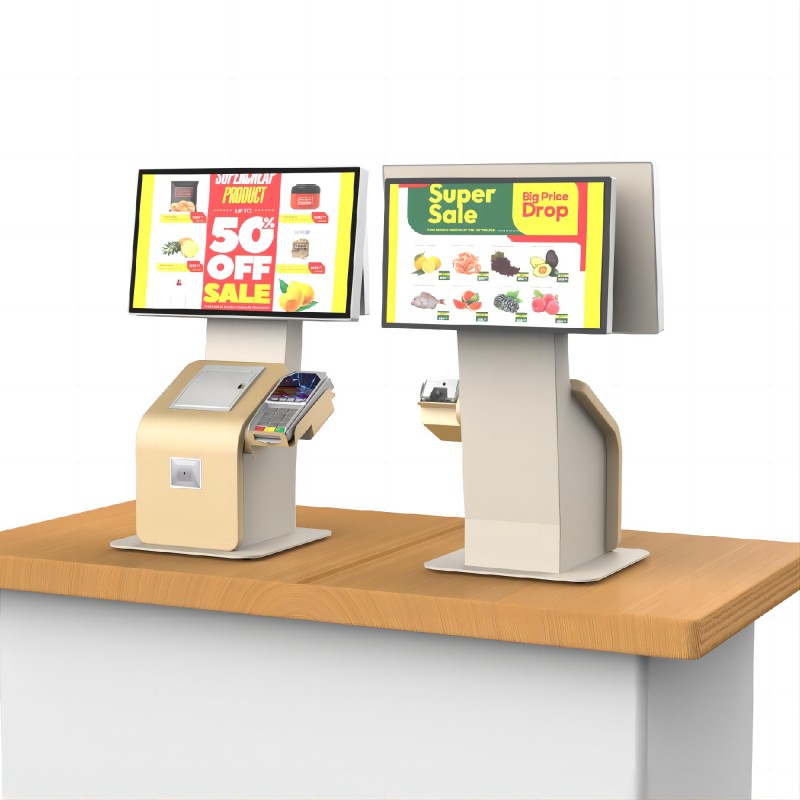

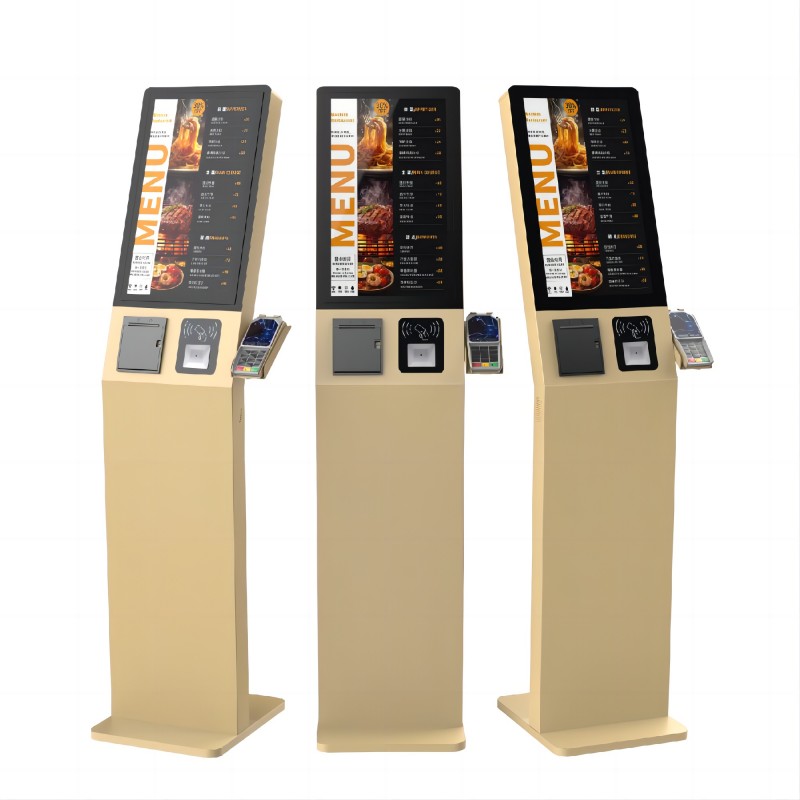
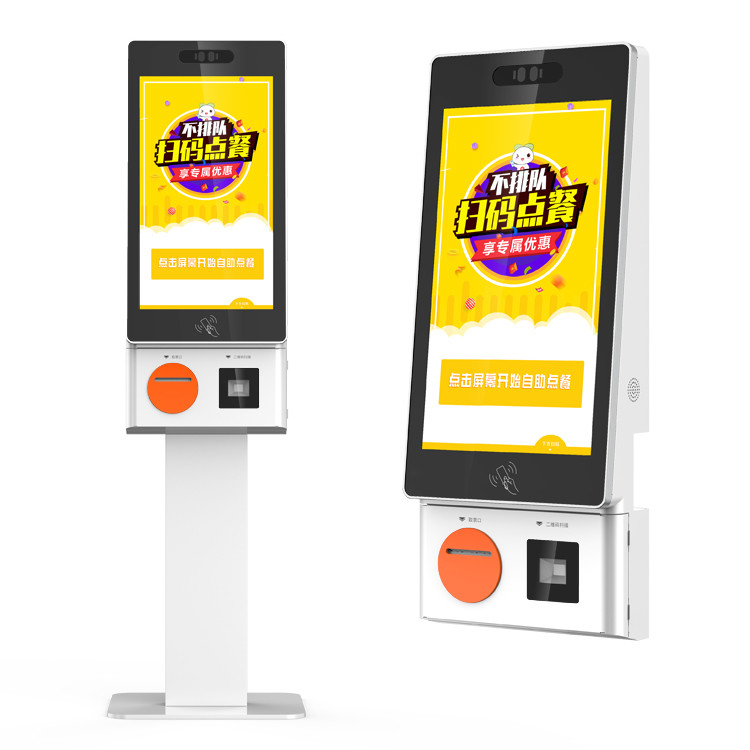
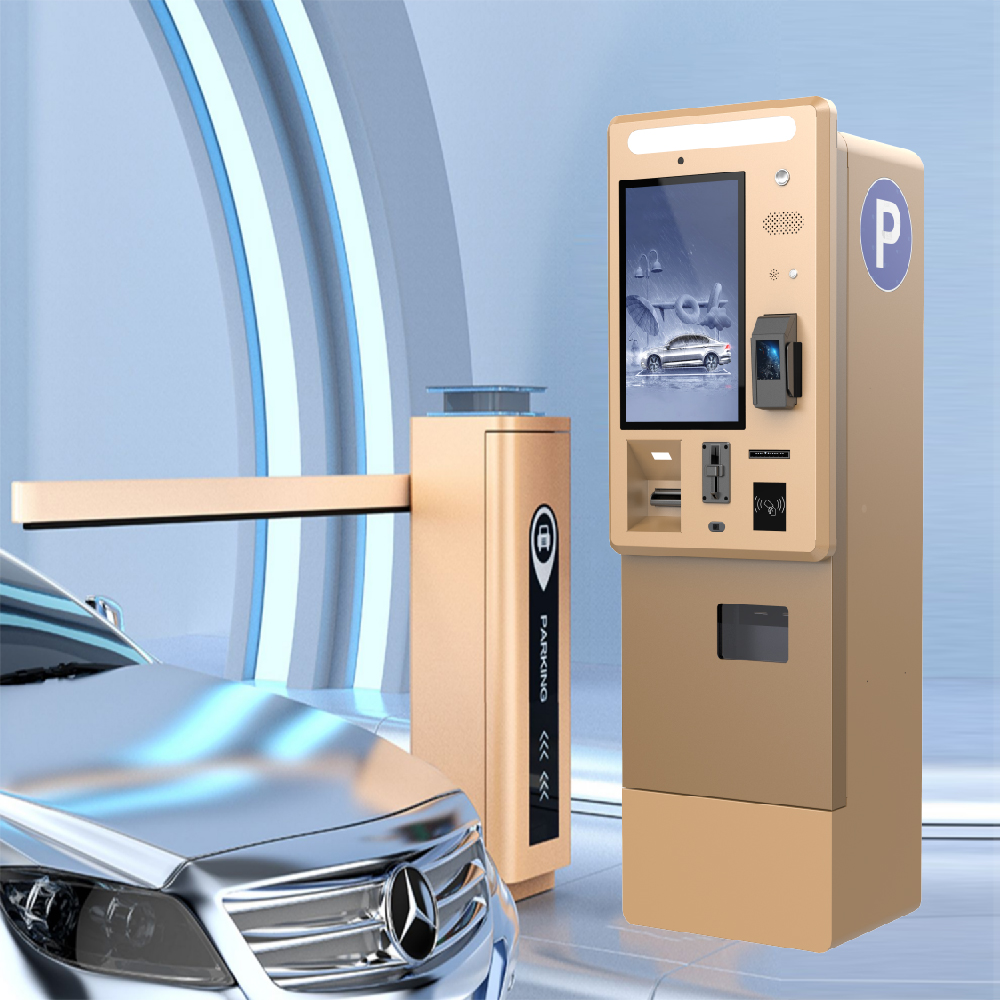
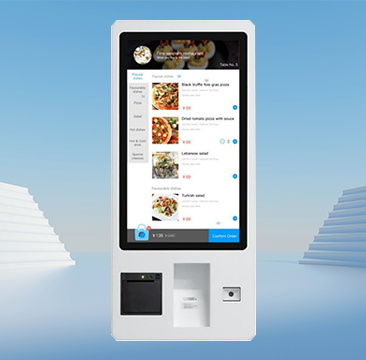

The self ordering kiosk market is witnessing significant growth, driven by increasing consumer demand for convenience and efficiency in the food service industry. Currently, the market is estimated to reach nearly 700,000 installations by 2028, with major players like McDonald's leading the way by deploying over 130,000 kiosks globally. This trend is particularly strong in the Asia-Pacific region, where local chains are rapidly adopting these technologies to enhance customer experience and streamline operations.
Future trends indicate that self ordering kiosks will continue to evolve with advancements in technology, including integration with mobile payment systems and artificial intelligence for personalized recommendations. As operational costs rise, many restaurants are accelerating their adoption of kiosks to boost sales and enhance service efficiency.
Overall, the self ordering kiosk market is set for robust growth, driven by technological innovations and the ongoing digital transformation within the restaurant sector. Below, we will provide a detailed introduction to self ordering kiosk from various perspectives.
Self Ordering Kiosk: Definition, History, Inventors, and Composition
Technical Specifications of Self Ordering Kiosk
Pricing and Cost Composition of Self Ordering Kiosk
Benefits of Self Ordering Kiosk
Common Styles and Most Popular Sizes of Self Ordering Kiosk
Wide Applications of Self Ordering Kiosk
Return on Investment for Self Ordering Kiosk: A Detailed Explanation
Customization Options for Self Ordering Kiosk
Market Trends and Innovations in Self Ordering Kiosk
Installation and Maintenance of Self Ordering Kiosk
Advantages and Disadvantages of Self Ordering Kiosk vs. Traditional Ordering
Technology and Innovations in Self Ordering Kiosk
Self Ordering Kiosk: Definition, History, Inventors, and Composition
Self ordering kiosk definition
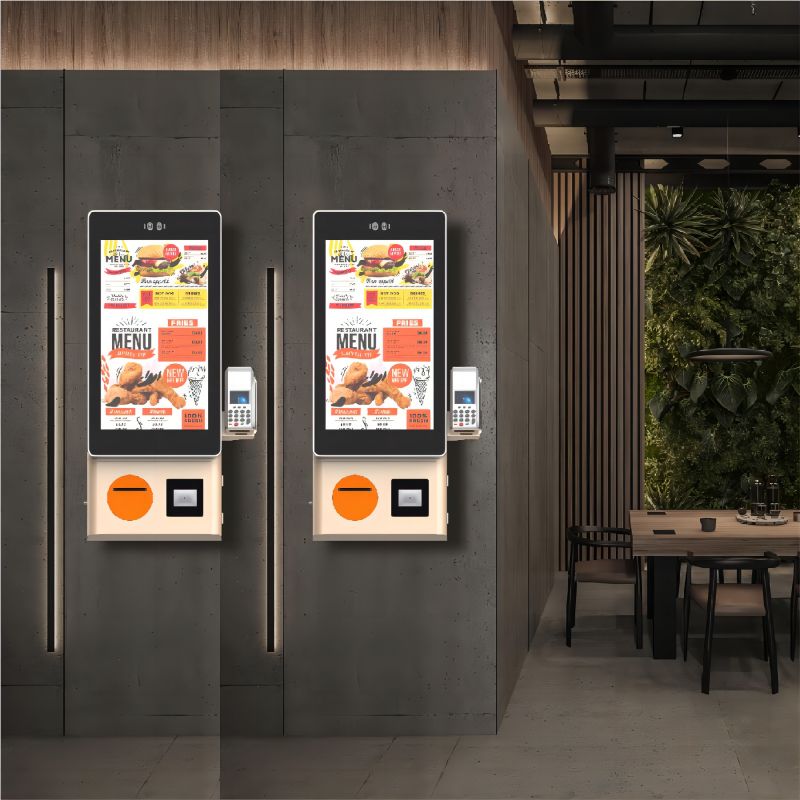
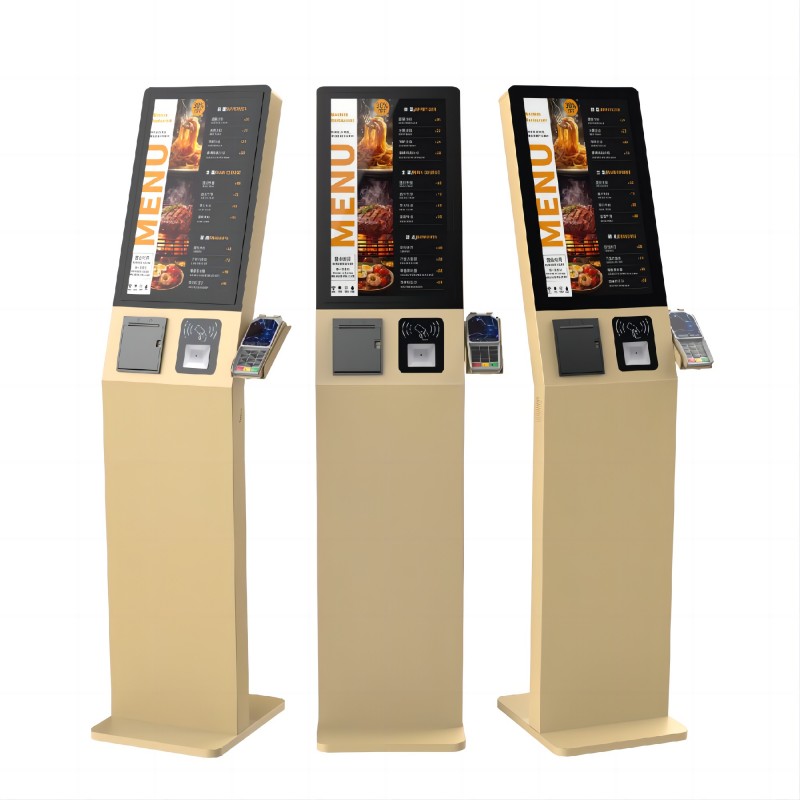
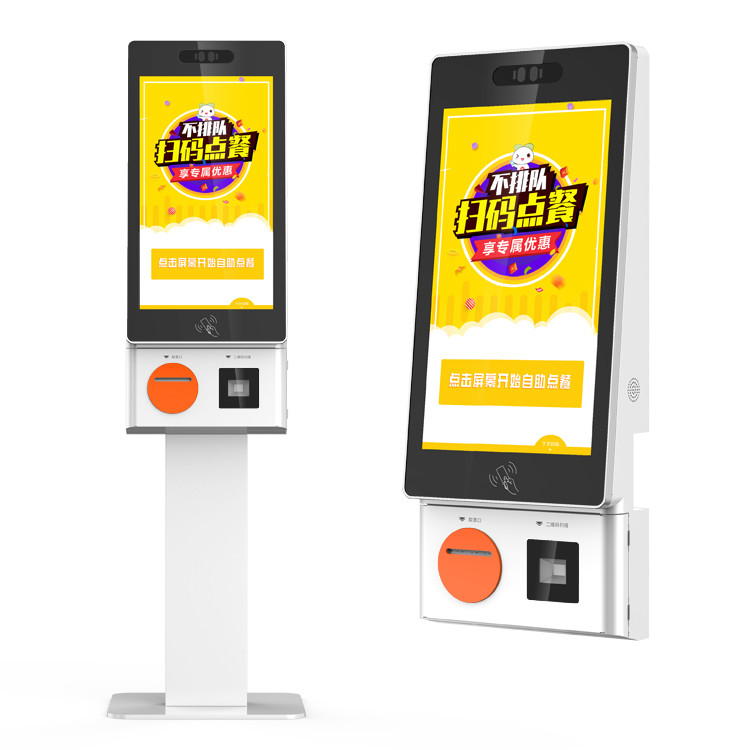
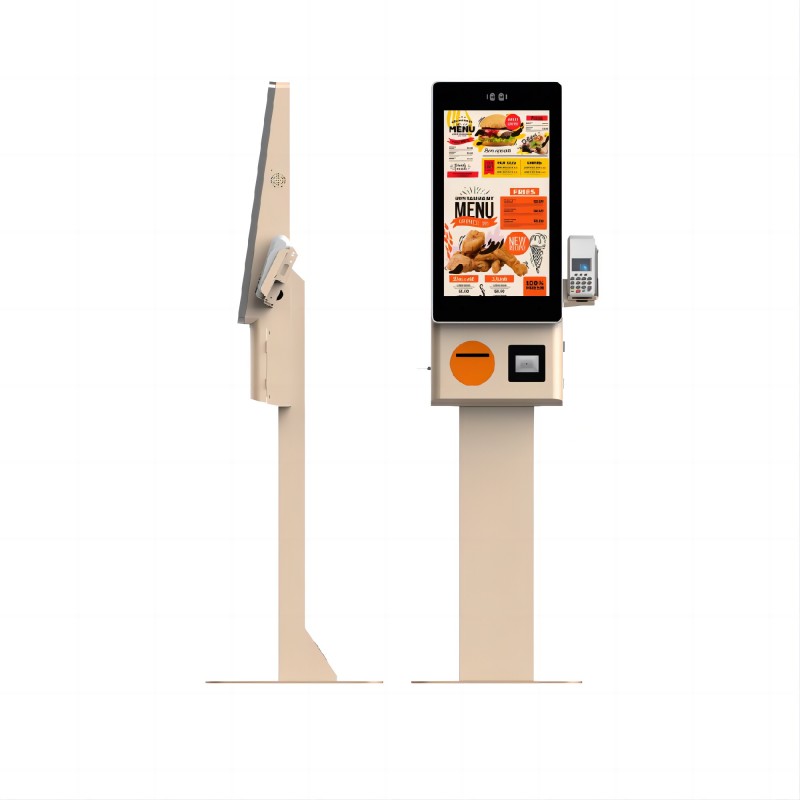
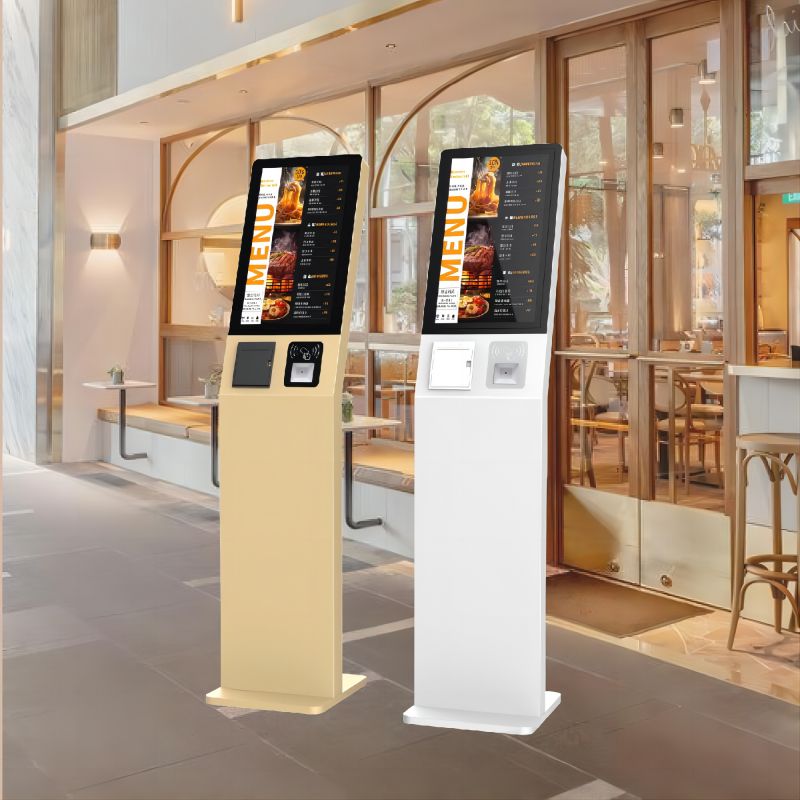
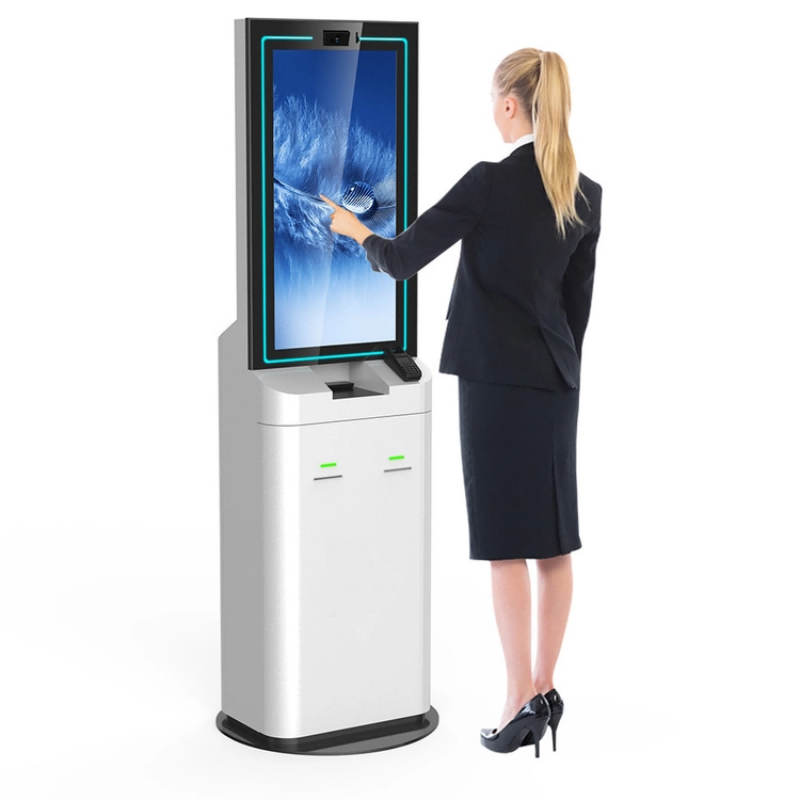
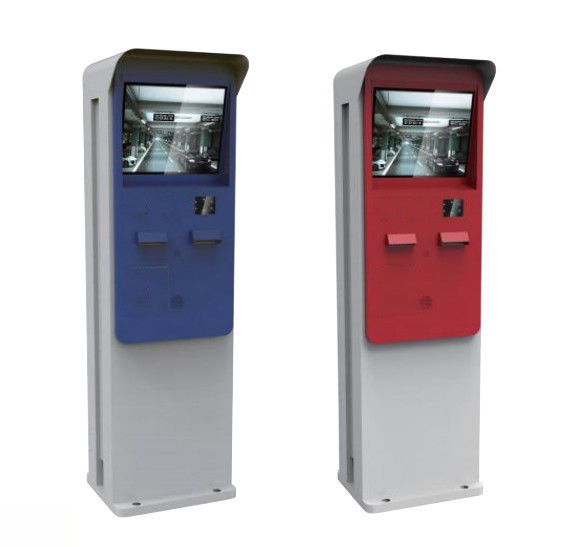
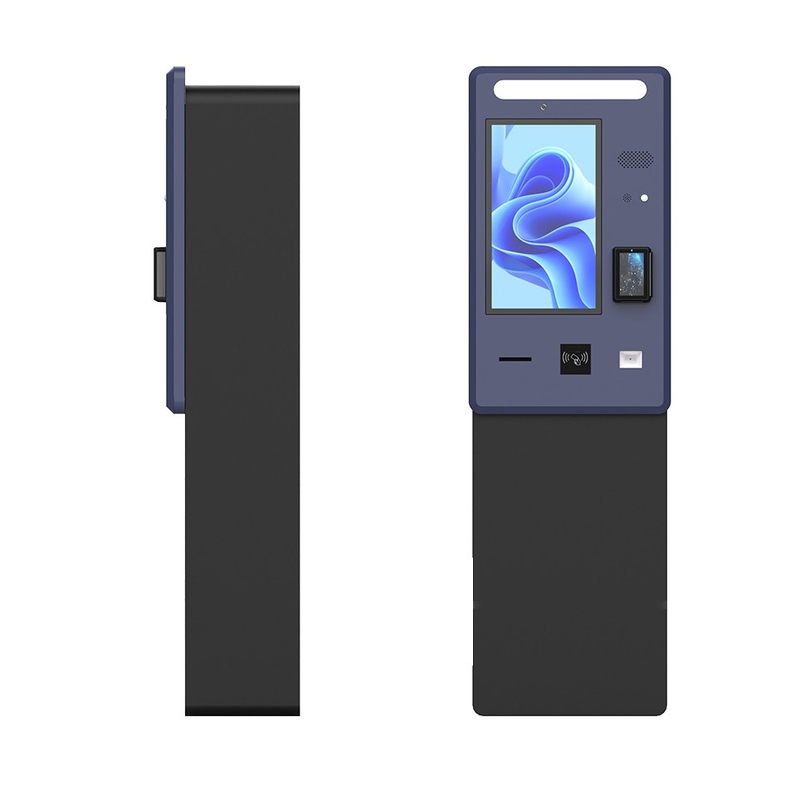
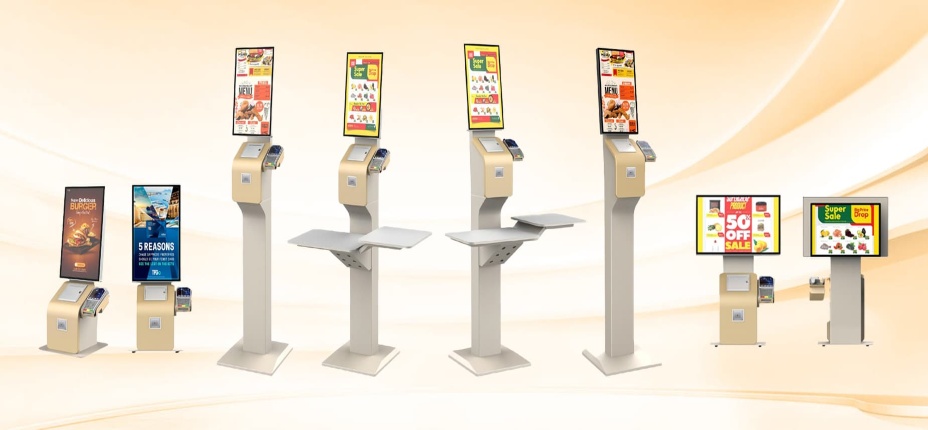
A self ordering kiosk is an interactive, digital terminal that allows customers to place orders and make payments without direct interaction with restaurant staff. These kiosks are equipped with user-friendly interfaces that enable customers to browse menus, customize their meals, and process payments securely.
History of self ordering kiosk
The concept of self ordering kiosk dates back to the late 1980s and early 1990s, when fast-food chains began experimenting with automated ordering systems. The first implementations were rudimentary and primarily aimed at reducing queue times. Over the years, advancements in touchscreen technology and software have transformed self-ordering kiosks into sophisticated systems used in various sectors, especially in the food service industry.
Who Invent the self ordering kiosk
While there is no single inventor of the self ordering kiosk, many companies have contributed to its development. Notable innovators include Michael G. McDonough, who played a significant role in advancing kiosk technology in the restaurant industry during the 1990s. Various technology firms, such as NCR Corporation and Touchscreen Technologies, have also been instrumental in refining the design and functionality of these kiosks.
Compositions of self ordering kiosk
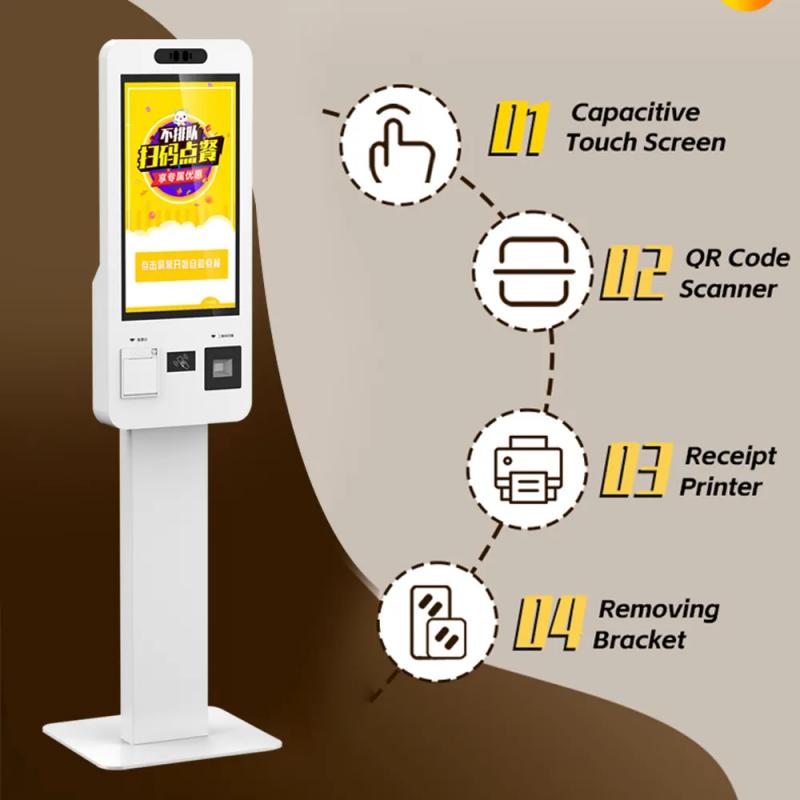
Self ordering kiosk typically consist of the following components:
Touchscreen Display: A high-resolution interface for customer interaction, providing visual menus and customization options.
Computer System: Internal hardware that processes orders, manages transactions, and connects to the restaurant's POS (Point of Sale) system.
Payment Processing Unit: Secure components that facilitate transactions through credit/debit cards, mobile wallets, and cash.
Printer: A device for printing receipts and order confirmations.
Connectivity Features: Wi-Fi or Ethernet connections for real-time data transmission and inventory management.
Overall, self ordering kiosk has evolved to enhance customer experience, streamline operations, and reduce labor costs for restaurants. They reflect the growing trend of digital transformation in the service industry, providing convenience and efficiency for both customers and businesses.